Aircraft Recognition Lab: Identify Indian Military Aircraft & Helicopters
Learn to identify Indian military aircraft and helicopters by their shape — then test yourself with the recognition quiz.
Updated 24 Oct 2026 · By Defence Pulse – भारतीय रक्षा समाचार और ताज़ा खबरें DeskIdentify an Aircraft: Recognition Wizard
Spotted an aircraft? Select what you saw — the wizard narrows down the matching Indian military aircraft.
23 matching aircraft
Rafale
- Operator
- IAF
- Maker
- Dassault Aviation, France
- Engines
- 2 × Safran M88-2 turbofan
- Top speed
- Mach 1.8 (~1,900 km/h)
- In service
- Since 2020
- Shape
- Delta wing, Single fin, canards
How to recognise it
- Close-coupled canards just behind the cockpit
- Delta wing with two engines under a single tail fin
- Fixed in-flight refuelling probe on the right side of the nose
Su-30MKI
- Operator
- IAF
- Maker
- Sukhoi, Russia (licence-built by HAL)
- Engines
- 2 × AL-31FP thrust-vectoring turbofan
- Top speed
- Mach 2.0 (~2,100 km/h)
- In service
- Since 2002
- Shape
- Swept wing, Twin fins, canards
How to recognise it
- Large, long airframe with a two-seat tandem cockpit
- Twin tail fins and widely spaced engines with a central tail "sting"
- Small canards ahead of the wing roots
Tejas Mk1
- Operator
- IAF
- Maker
- HAL / ADA, India
- Engines
- 1 × GE F404-IN20 turbofan
- Top speed
- Mach 1.6
- In service
- Since 2016
- Shape
- Delta wing, Single fin
How to recognise it
- Small tailless compound (cranked) delta wing
- Single engine and single fin, with no canards or tailplane
- Air intakes on both sides below the cockpit
Mirage 2000
- Operator
- IAF
- Maker
- Dassault Aviation, France
- Engines
- 1 × SNECMA M53-P2 turbofan
- Top speed
- Mach 2.2
- In service
- Since 1985
- Shape
- Delta wing, Single fin
How to recognise it
- Pure delta wing with no tailplane
- Semi-circular side intakes with shock cones
- Small fixed strakes on the intakes and a fixed refuelling probe
MiG-29UPG
- Operator
- IAF
- Maker
- Mikoyan, Russia
- Engines
- 2 × Klimov RD-33 turbofan
- Top speed
- Mach 2.25
- In service
- Since 1987
- Shape
- Swept wing, Twin fins
How to recognise it
- Twin outward-canted tail fins
- Large wing root extensions (LERX) above the intakes
- Two engines separated by a visible tunnel
SEPECAT Jaguar
- Operator
- IAF
- Maker
- SEPECAT, UK–France (licence-built by HAL)
- Engines
- 2 × Rolls-Royce Turbomeca Adour turbofan
- Top speed
- Mach 1.6
- In service
- Since 1979
- Shape
- Swept wing, Single fin
How to recognise it
- High-mounted swept wing
- Air-to-air missiles carried on pylons above the wings
- Tailplanes angled downward (anhedral)
MiG-29K
- Operator
- Navy
- Maker
- Mikoyan, Russia
- Engines
- 2 × Klimov RD-33MK turbofan
- Top speed
- Mach 2.0
- In service
- Since 2010
- Shape
- Swept wing, Twin fins
How to recognise it
- MiG-29 shape with folding wings
- Arrester hook and strengthened landing gear
- Operates from carriers INS Vikramaditya and INS Vikrant
Hawk Mk132
- Operator
- IAF / Navy
- Maker
- BAE Systems, UK (licence-built by HAL)
- Engines
- 1 × Adour Mk871 turbofan
- Top speed
- ~1,000 km/h
- In service
- Since 2008
- Shape
- Swept wing, Single fin
How to recognise it
- Small low-wing jet with a stepped tandem canopy
- Single engine with intakes beside the cockpit
- Flown by the Surya Kiran aerobatic team
C-17 Globemaster III
- Operator
- IAF
- Maker
- Boeing, USA
- Engines
- 4 × Pratt & Whitney F117 turbofan
- Top speed
- ~830 km/h
- In service
- Since 2013
- Shape
- Swept wing, T-tail
How to recognise it
- High swept wing with four underwing jet engines
- T-tail and upturned winglets
- Very wide fuselage with a rear loading ramp
Il-76MD
- Operator
- IAF
- Maker
- Ilyushin, Russia
- Engines
- 4 × Soloviev D-30KP turbofan
- Top speed
- ~850 km/h
- In service
- Since 1985
- Shape
- Swept wing, T-tail
How to recognise it
- Glazed navigator's nose below the cockpit
- High wing with four jets and a T-tail
- Multi-wheel landing gear in large side fairings
C-130J Super Hercules
- Operator
- IAF
- Maker
- Lockheed Martin, USA
- Engines
- 4 × Rolls-Royce AE2100D3 turboprop
- Top speed
- ~670 km/h
- In service
- Since 2011
- Shape
- Straight wing, Single fin
How to recognise it
- Four turboprops with six-bladed scimitar propellers
- High straight wing
- Upswept rear fuselage with a loading ramp
C-295
- Operator
- IAF
- Maker
- Airbus, Spain / Tata Advanced Systems, India
- Engines
- 2 × Pratt & Whitney PW127G turboprop
- Top speed
- ~480 km/h
- In service
- Since 2023
- Shape
- Straight wing, Single fin
How to recognise it
- Twin turboprops under a high straight wing
- Six-bladed propellers
- Rear ramp under an upswept tail
An-32
- Operator
- IAF
- Maker
- Antonov, Ukraine
- Engines
- 2 × Ivchenko AI-20D turboprop
- Top speed
- ~530 km/h
- In service
- Since 1984
- Shape
- Straight wing, Single fin
How to recognise it
- Engines mounted high on top of the wing (tall nacelles)
- Twin turboprops with four-bladed propellers
- Rear loading ramp and ventral fins
Netra AEW&C
- Operator
- IAF
- Maker
- Embraer, Brazil / DRDO, India
- Engines
- 2 × Rolls-Royce AE3007 turbofan
- Top speed
- ~830 km/h
- In service
- Since 2017
- Shape
- Swept wing, T-tail
How to recognise it
- Flat "balance beam" radar mounted on top of the fuselage
- Two jet engines on the rear fuselage
- T-tail on a regional-jet body
P-8I Neptune
- Operator
- Navy
- Maker
- Boeing, USA
- Engines
- 2 × CFM56-7B turbofan
- Top speed
- ~900 km/h
- In service
- Since 2013
- Shape
- Swept wing, Single fin
How to recognise it
- Boeing 737 airliner shape with very few windows
- Raked wingtips instead of winglets
- Magnetic anomaly detector (MAD) boom at the tail — unique to India's P-8I
Dornier 228
- Operator
- Navy / IAF / Coast Guard
- Maker
- Dornier, Germany (licence-built by HAL)
- Engines
- 2 × Honeywell TPE331 turboprop
- Top speed
- ~430 km/h
- In service
- Since 1986
- Shape
- Straight wing, Single fin
How to recognise it
- High straight wing with distinctive raked tips
- Twin turboprops
- Boxy fuselage with main gear in side fairings
Pilatus PC-7 Mk II
- Operator
- IAF
- Maker
- Pilatus, Switzerland
- Engines
- 1 × Pratt & Whitney PT6A-25C turboprop
- Top speed
- ~412 km/h
- In service
- Since 2013
- Shape
- Straight wing, Single fin
How to recognise it
- Single turboprop in the nose
- Low straight wing
- Tandem bubble canopy
AH-64E Apache
- Operator
- IAF / Army
- Maker
- Boeing, USA
- Engines
- 2 × GE T700-701D turboshaft
- Top speed
- ~290 km/h
- In service
- Since 2019
- Shape
- Single main rotor
How to recognise it
- Tandem cockpit — gunner in front, pilot behind
- Stub wings carrying Hellfire missiles and rocket pods
- 30 mm chain gun under the nose and a four-blade main rotor
LCH Prachand
- Operator
- IAF / Army
- Maker
- HAL, India
- Engines
- 2 × HAL/Safran Shakti turboshaft
- Top speed
- ~268 km/h
- In service
- Since 2022
- Shape
- Single main rotor
How to recognise it
- Very slim, angular fuselage with tandem seats
- Stub wings and a 20 mm nose turret gun
- Built for high-altitude operations such as the Himalayas
CH-47F Chinook
- Operator
- IAF
- Maker
- Boeing, USA
- Engines
- 2 × Honeywell T55 turboshaft
- Top speed
- ~300 km/h
- In service
- Since 2019
- Shape
- Tandem rotors
How to recognise it
- Two large rotors in tandem, front and rear — no tail rotor
- Long box-shaped fuselage
- Rear loading ramp
Mi-17V5
- Operator
- IAF
- Maker
- Russian Helicopters, Russia
- Engines
- 2 × Klimov TV3-117VM turboshaft
- Top speed
- ~250 km/h
- In service
- Since 2012
- Shape
- Single main rotor
How to recognise it
- Five-blade main rotor
- Tail rotor on the left side of the tail boom
- Clamshell rear doors and a weather radar bulge on the nose
ALH Dhruv
- Operator
- Army / IAF / Navy / Coast Guard
- Maker
- HAL, India
- Engines
- 2 × Shakti turboshaft (Mk III)
- Top speed
- ~290 km/h
- In service
- Since 2002
- Shape
- Single main rotor
How to recognise it
- Four-blade hingeless main rotor
- Tail boom with an angled tailplane and end-plates
- Rounded cabin with large sliding doors
MH-60R Seahawk
- Operator
- Navy
- Maker
- Sikorsky (Lockheed Martin), USA
- Engines
- 2 × GE T700-401C turboshaft
- Top speed
- ~270 km/h
- In service
- Since 2024
- Shape
- Single main rotor
How to recognise it
- Four-blade folding main rotor
- Canted tail rotor
- Dipping sonar and torpedoes for hunting submarines
Silhouettes are simplified top views for learning (orange marks = engine nacelles, blue = twin fins). Speeds are approximate maximums from open sources.
Recognition Quiz
Read the clues and pick the right aircraft. Ten questions per round.
The Basics of Aircraft Recognition
Military spotters and air defence crews identify aircraft using the "WEFT" method — Wings, Engines, Fuselage and Tail. Instead of trying to see small details, they look at the overall shape, which can be seen even at long distance.
1. Wings
A delta wing forms a triangle (Rafale, Tejas, Mirage 2000). A swept wing angles back from the fuselage and is used by fast jets and large jet transports (Su-30MKI, C-17). A straight wing sticks out at right angles and is typical of propeller aircraft (C-130J, C-295). Also note whether the wing is mounted high (transports) or low (most trainers and airliners).
2. Engines
Count the engines and note where they are: inside the fuselage (fighters), under the wing (C-17, P-8I), on top of the wing (An-32) or on the rear fuselage (Netra). Propellers immediately tell you it is a turboprop, and the number of blades can separate similar types.
3. Fuselage
Look for a long nose, a bulky cargo body, a radar dome or beam on top (Netra, A-50), a glazed nose (Il-76) or a tail boom (P-8I).
4. Tail
Single fin, twin fins (Su-30MKI, MiG-29) or a T-tail where the horizontal tail sits on top of the fin (C-17, Il-76). Many deltas have no horizontal tail at all.
Helicopters
For helicopters, count the main rotor blades, check for tandem rotors (Chinook), see which side the tail rotor is on, and look for stub wings carrying weapons (Apache, Prachand).
Frequently Asked Questions
How can you tell a Rafale from a Tejas?
Both have delta wings, but the Rafale has two engines and small canards just behind the cockpit, while the Tejas is smaller, has a single engine and no canards or tailplane.
Which Indian Air Force fighter has twin tails and canards?
The Su-30MKI has twin vertical tails and small canards ahead of the wings. The MiG-29 also has twin tails but no canards.
How do you identify the C-17 Globemaster?
The C-17 has a high swept wing with four underwing jet engines, a T-tail, upturned winglets and a very wide fuselage with a rear ramp.
Which helicopter has two rotors in the Indian Air Force?
The CH-47F Chinook is a tandem-rotor heavy-lift helicopter with one rotor at the front and one at the rear, and no tail rotor.
What does WEFT mean in aircraft recognition?
WEFT stands for Wings, Engines, Fuselage and Tail — the four features spotters check, in that order, to identify an aircraft from its overall shape.
More Reader Tools
Latest Related Reports
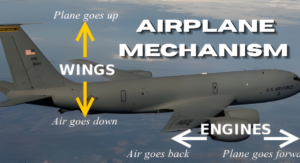 Airplane Mechanism कैसे उड़ता है हवाई जहाज और क्या है इसके पीछे का पूरा सिस्टम
 Mirage-2000-V May Stay Longer in IAF Service as Transition Timeline Shifts जानिए इसकी ताकत, इतिहास और भविष्य
 तेजस Mk1A की पूरी जानकारी, रेंज, स्पीड, हथियार और IAF में इसकी भूमिका
 Su-30MKI अपग्रेड प्लान CCS मंजूरी के करीब, कितनी बदलेगी भारतीय वायुसेना की स्ट्राइक क्षमता?